

Solyn works with a palette of materials, selected for their inherent properties rather than novelty. Each is evaluated by how it behaves through making, how its surface evolves with time and use, and how it can be repaired, recycled, or returned to circulation at the end of its service life.
Solyn works with a palette of materials, selected for their inherent properties rather than novelty. Each is evaluated by how it behaves through making, how its surface evolves with time and use, and how it can be repaired, recycled, or returned to circulation at the end of its service life.
Solyn works with a palette of materials, selected for their inherent properties rather than novelty. Each is evaluated by how it behaves through making, how its surface evolves with time and use, and how it can be repaired, recycled, or returned to circulation at the end of its service life.
1
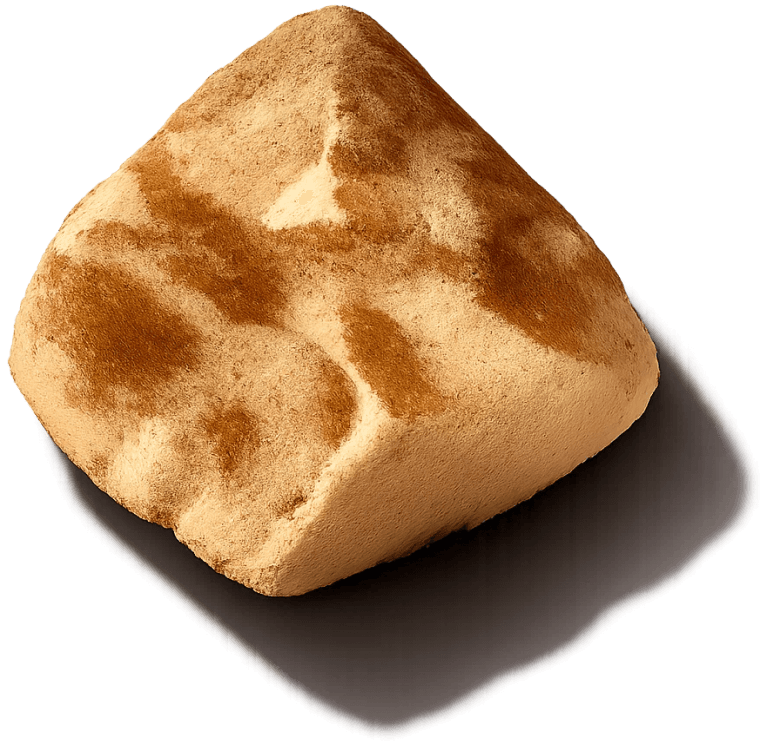
Brass is chosen for its density, workability, and ability to develop character through use, making it a material that continues to evolve with the object.
LIFECYCLE
1
High density and structural stability
2
Develops a natural patina through use
3
Casts and machines with precision
4
Can be repaired and refinished
5
Fully recyclable without loss of quality
Why we choose a material
A material enters our process only after meeting a strict set of performance criteria. It must behave predictably under heat and pressure, be compatible with casting processes while requiring minimal machining, and allow for repair, remelting, or recycling without significant contamination. These qualities ensure that every material supports efficient production while remaining viable throughout its lifecycle.
Beyond manufacturing performance, we value how a material endures over time. It should maintain its integrity without relying on coatings that conceal or seal its surface, allowing its natural character to develop through use. Wear should enrich rather than diminish its appearance, creating a meaningful surface evolution. Materials that fail to meet these standards are excluded from our process, regardless of their visual appeal.

How we work
Most Solyn components are produced through casting, a process chosen for its ability to express the inherent behaviour of the material. As the material flows and solidifies, it records its own formation, revealing flow paths, subtle surface variations created during cooling, and the natural evidence of parting lines and venting. These characteristics are treated as integral aspects of the finished object rather than imperfections to be concealed.
Post-processing is limited to what is necessary for structural integrity, functional performance, and user safety. Finishing techniques that remove material traces, seal natural porosity, or disconnect the surface from its manufacturing history are deliberately avoided. The result is a product that retains a visible and honest record of how it was made.
1
2

3

brass
Aluminium
Glass
Lifecycle
Lifecycle
Brass is chosen for its density, workability, and ability to develop character through use, making it a material that continues to evolve with the object.
Lifecycle
1
High density and structural stability
2
Develops a natural patina through use
3
Casts and machines with precision
4
Can be repaired and refinished
5
Fully recyclable without loss of quality
Why we choose a material
A material enters our process only after meeting a strict set of performance criteria. It must behave predictably under heat and pressure, be compatible with casting processes while requiring minimal machining, and allow for repair, remelting, or recycling without significant contamination. These qualities ensure that every material supports efficient production while remaining viable throughout its lifecycle.
Beyond manufacturing performance, we value how a material endures over time. It should maintain its integrity without relying on coatings that conceal or seal its surface, allowing its natural character to develop through use. Wear should enrich rather than diminish its appearance, creating a meaningful surface evolution. Materials that fail to meet these standards are excluded from our process, regardless of their visual appeal.
How we work
Most Solyn components are produced through casting, a process chosen for its ability to express the inherent behaviour of the material. As the material flows and solidifies, it records its own formation, revealing flow paths, subtle surface variations created during cooling, and the natural evidence of parting lines and venting. These characteristics are treated as integral aspects of the finished object rather than imperfections to be concealed.
Post-processing is limited to what is necessary for structural integrity, functional performance, and user safety. Finishing techniques that remove material traces, seal natural porosity, or disconnect the surface from its manufacturing history are deliberately avoided. The result is a product that retains a visible and honest record of how it was made.
How Materials Age
Materials continue to change after they are made. We understand these changes as records of use, environment, and time rather than imperfections.
Materials continue to change after they are made. We understand these changes as records of use, environment, and time rather than imperfections.
Natural oxidation and patination
Surface wear through contact
Changes in reflectivity
Marks from thermal expansion and contraction
Gradual shifts in texture and finish
Material as Method
Material is the starting point of every project. Its properties establish the conditions of making, informing process, proportion, and the form an object can ultimately take.
Material is the starting point of every project. Its properties establish the conditions of making, informing process, proportion, and the form an object can ultimately take.
Behaviour before appearance
Process before product
Form informed by material
Surface retains traces of making
Objects evolve through use
Future Materials
Our material research is guided by behaviour, longevity, and responsible manufacturing. New materials are introduced only when they align with our methods of making and lifecycle principles.
Our material research is guided by behaviour, longevity, and responsible manufacturing. New materials are introduced only when they align with our methods of making and lifecycle principles.
Solid hardwoods
Stone and mineral composites
Ceramic and porcelain
Engineered wood products
Recycled and bio-based materials
How Materials Age
Materials continue to change after they are made. We understand these changes as records of use, environment, and time rather than imperfections.
Natural oxidation and patination
Surface wear through contact
Changes in reflectivity
Marks from thermal expansion and contraction
Gradual shifts in texture and finish
Material as Method
Material is the starting point of every project. Its properties establish the conditions of making, informing process, proportion, and the form an object can ultimately take.
Behaviour before appearance
Process before product
Form informed by material
Surface retains traces of making
Objects evolve through use
Future Materials
Our material research is guided by behaviour, longevity, and responsible manufacturing. New materials are introduced only when they align with our methods of making and lifecycle principles.
Solid hardwoods
Stone and mineral composites
Ceramic and porcelain
Engineered wood products
Recycled and bio-based materials
Design Studio
Copy component
Copied
solyninfo@gmail.com
© copyright Sudio Solyn 2026
Copy component
Copied
solyninfo@gmail.com
© copyright Sudio Solyn 2026